

A condo roof doesn’t wait for the budget to catch up. In Florida, reserve planning matters more than ever because safety rules, rising repair costs, and storm risk all push boards to think years ahead.
Reserves are money set aside for major future repairs, not day-to-day bills. When an association plans well, owners face fewer surprise charges, buildings stay safer, and property values hold up better. For many communities, it’s the difference between orderly maintenance and a last-minute scramble.
What reserve planning means for a Florida condominium association
Reserve planning is long-range budgeting for expensive items a community knows it will have to repair or replace. In condo finances, it sits beside the annual budget and keeps future obligations visible. That usually includes roofs, elevators, paving, exterior paint, plumbing lines, waterproofing, balconies, and concrete work.
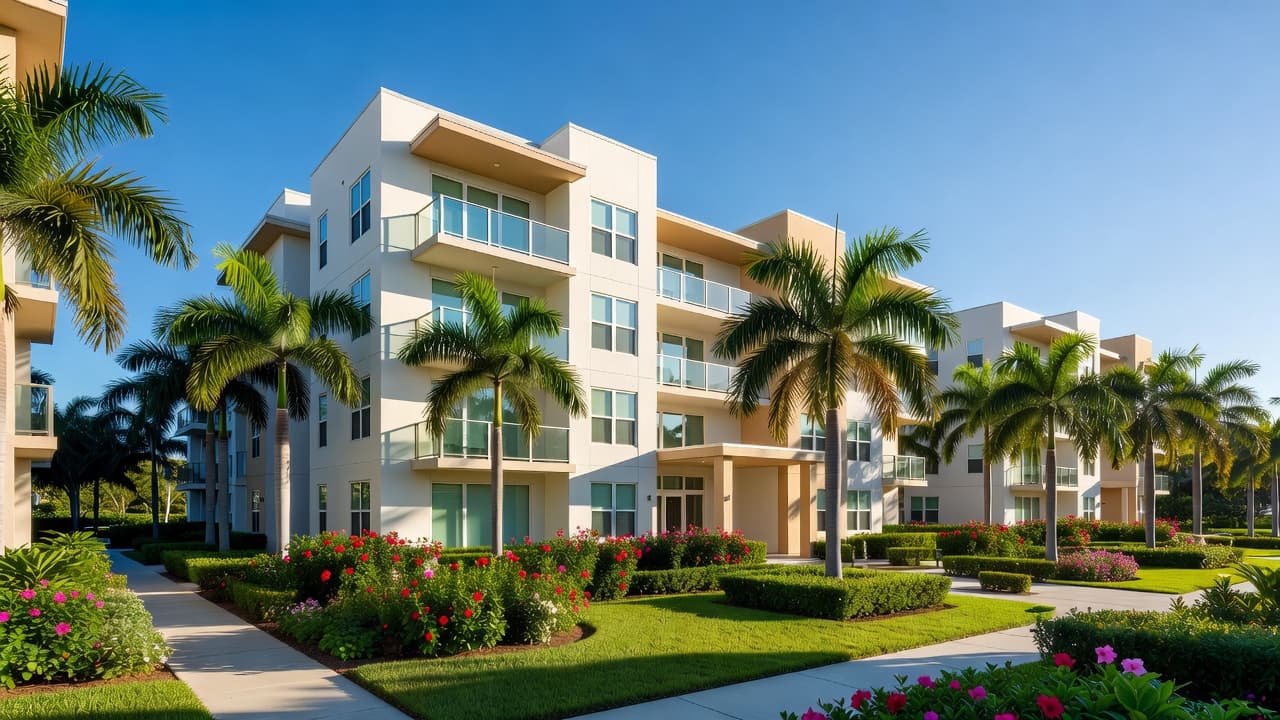
Reserve funds versus the operating budget
An operating budget pays recurring bills such as landscaping, utilities, insurance, cleaning, and management. Reserve funds pay for large, expected projects that don’t hit every year. When boards blur the line, today’s routine shortfall can eat money meant for tomorrow’s roof. Both accounts matter, because clean hallways mean little if the building envelope is falling behind.
Why Florida buildings need stronger planning than most
Florida condos age harder than many inland properties. Salt air, humidity, heavy rain, intense sun, and hurricanes speed up corrosion and wear, while older concrete and waterproofing systems need close attention. Many coastal communities also face faster metal deterioration and heavier contractor demand after storms. Boards that need a clearer view of Florida reserve study requirements should review current state guidance, because the rules now carry more weight.
How reserve planning protects owners from sudden costs and crisis decisions
Good reserves turn large repairs from a fire drill into a scheduled project. They also lower stress inside the community when bad news arrives.
How reserves reduce the chance of special assessments
When reserves fall short, owners often get hit with special assessments right when a roof fails or a garage deck needs work. For retirees and families on fixed budgets, one large bill can do more damage than steady monthly contributions ever would. Borrowing can soften the blow, but loan payments still come back to owners.
How good funding supports faster repairs and safer buildings
Cash on hand lets a board move when bids come in and repairs can’t wait. That matters for roof replacement, elevator work, waterproofing, and structural repairs, because delay often raises the price and the risk. Boards can also lock in contractors sooner instead of joining a long post-storm backlog.
Why reserve planning can protect property values
Buyers, lenders, and their agents often review association finances before closing. A healthy reserve balance can calm fears about deferred maintenance, while weak funding can slow sales or make financing harder. Well-funded associations also look better on disclosure packages and lender questionnaires.
What a strong reserve study should include
A reserve study gives the board a road map, not a guess. It ties the building’s condition to a funding plan the community can actually follow.
The building parts that usually belong in reserves
Most Florida condo studies include roofs, exterior painting, paving, waterproofing, balconies, elevators, fire systems, windows, pools, and concrete restoration. Parking areas and pool surfaces may belong there too, depending on ownership and the governing documents. The exact list varies, but the goal stays the same: name the major components before they become emergencies.
How timelines and cost estimates are built
A reserve professional looks at each component’s condition, remaining useful life, and likely replacement cost. Site inspections, maintenance history, and vendor pricing all help shape the forecast. Inflation, labor shortages, and insurance-related construction demand can change those numbers, so estimates need regular reality checks.
Why regular updates matter after storms, repairs, or new laws
A study shouldn’t sit on a shelf for years. After storm damage, major repairs, or rule changes, boards need updated numbers and timelines. Florida’s newer guidance on reserve studies and update timing shows why old assumptions can age fast. That’s one reason many associations review their numbers more often than the minimum.
Florida condo board duties, funding choices, and legal pressure points
Board members don’t need engineering licenses, but they do need discipline. Good reserve planning depends on steady review, clear records, and current advice.
What board members should track each year
Each budget cycle, the board should review reserve balances, annual contributions, upcoming projects, recent bids, and the latest study data. They should also compare planned work with actual spending after each project closes. Clear records help owners see where the money is going and why.
When waiving or underfunding reserves becomes risky
Lower contributions can feel attractive when owners want relief now. Still, underfunding can backfire when costs rise faster than planned or when a repair can’t be postponed. A small savings today can turn into a much larger gap next year. Some reserve categories may still be waivable in limited cases, but boards should confirm current limits, because structural-integrity items follow stricter rules.
How state rules and safety requirements affect planning
Florida’s condo laws and building safety requirements have changed quickly since the Surfside collapse. Older buildings, in particular, face tighter expectations around inspections and reserve planning. A summary of state reserve fund laws also shows why boards shouldn’t rely on rules from other states. National habits do not always fit Florida.
Common reserve planning mistakes Florida communities should avoid
Most reserve problems start long before the crisis notice goes out. The warning signs are usually easy to spot in hindsight.
Using outdated numbers instead of current costs
Five-year-old pricing rarely matches today’s Florida construction market. Florida labor and material prices can move quickly, especially after major weather events. If concrete work, roofing, or elevator parts cost more than the study assumed, the funding gap can widen fast.
Waiting too long to plan for big-ticket repairs
Small leaks, cracked coatings, and recurring shutdowns often warn the board before a major failure. When communities wait too long, they lose time to phase work, shop bids, and protect owners from a steep bill. By then, the board often has fewer repair options.
Treating reserves like extra cash instead of protected funds
Reserve money is not spare cash for routine shortages. When associations pull from reserves to plug operating gaps, they trade a visible problem today for a larger one later. That habit also weakens owner trust.
Planning Protects
Florida condo communities don’t get much room for wishful budgeting. Reserve planning protects safety, steadies monthly costs, and gives boards time to make better repair decisions.
When money is set aside before the concrete cracks or the roof leaks, owners get fewer shocks and buildings get better care. Every Florida condo board and owner should pay attention to reserves before the next major project forces the issue.