
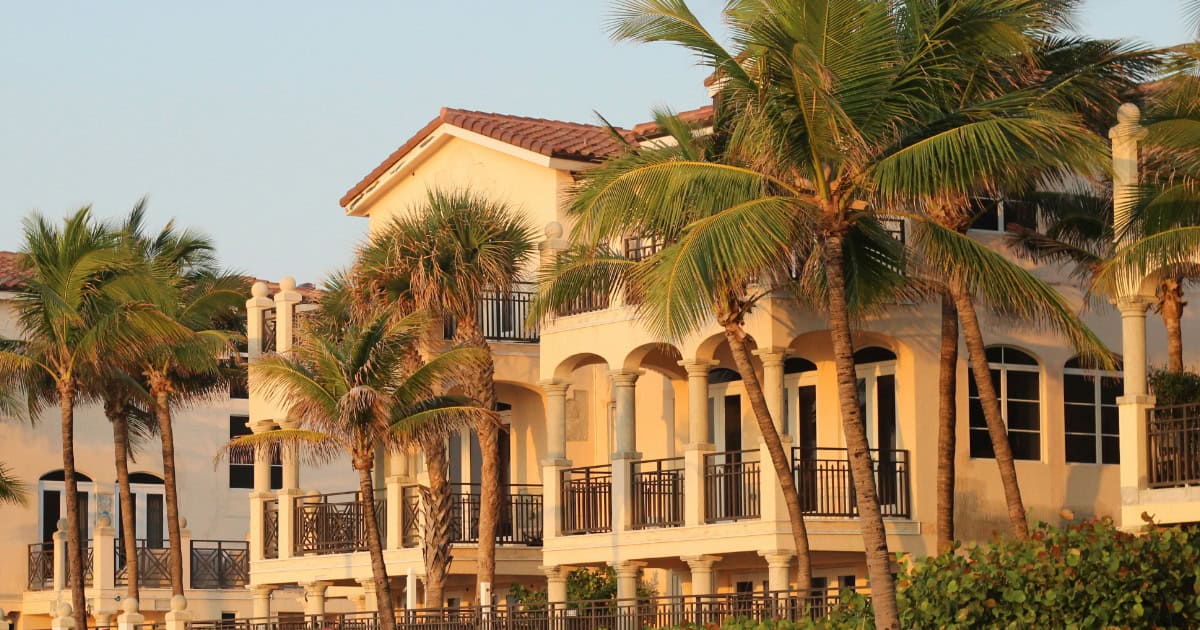
Florida buildings age fast. Heat, humidity, salt air, storms, and heavy rain put common areas under stress almost every month of the year.
That’s why Florida HOA preventative maintenance isn’t a cosmetic project. It’s a practical way to avoid emergency repairs, protect property values, and stay on top of the board’s maintenance duties before small issues become budget problems.
Why Florida weather makes HOA maintenance a year-round job
A community in Florida can’t rely on a once-a-year walk-through. Moisture, sun, and wind keep working on roofs, paint, pavement, drainage systems, and shared amenities long after a project looks finished.
Heat, humidity, and salt air wear down materials faster
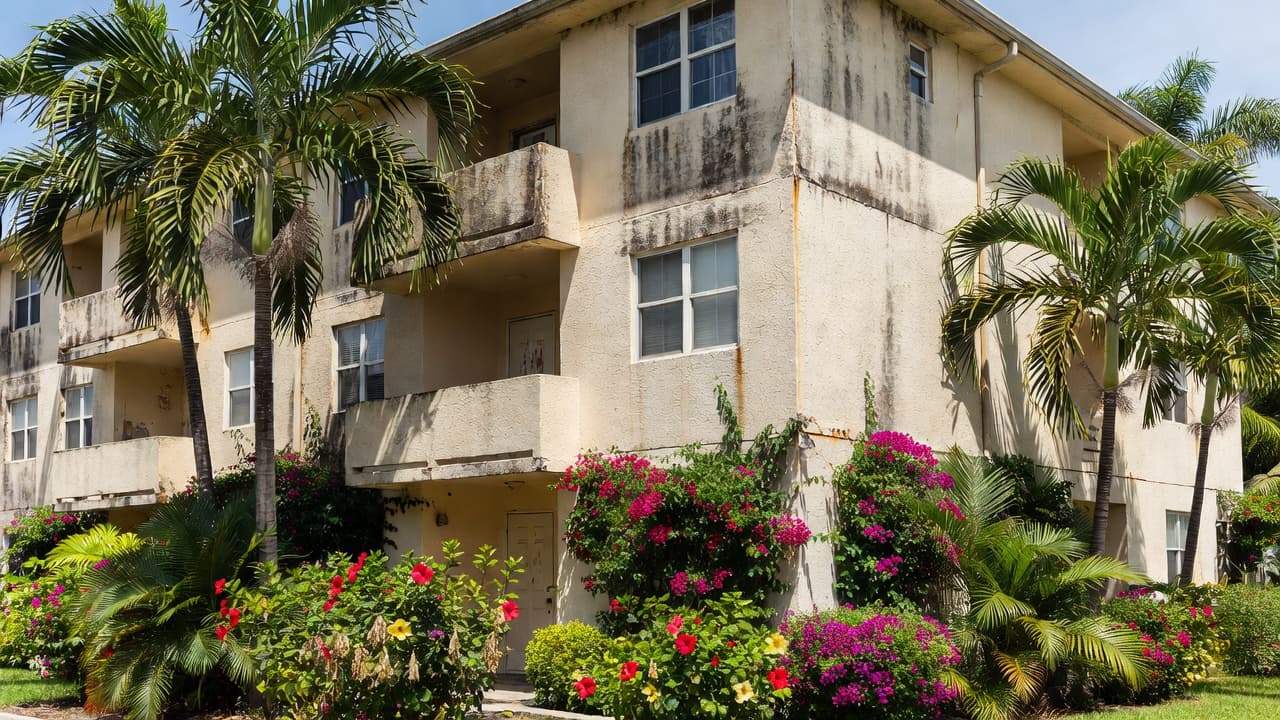
Exterior surfaces take a beating in Florida. Sun fades paint, humidity feeds mildew, and salt air speeds up corrosion on railings, hardware, door frames, and HVAC components near the coast.
Wood trim can swell or rot. Stucco can crack and hold moisture. Even sealants around windows and doors dry out sooner, which raises the risk of leaks. When boards inspect these materials early, they can repair small failures before water gets behind walls or under finishes.
Storm season creates damage that small checks can catch early
Storm season adds another layer of risk. A loose shingle, clogged area drain, or cracked section of pavement may look minor in April, but heavy summer rain can turn it into interior damage or a trip hazard by July.
Boards should inspect before and after major storms, not only after visible damage. Quick checks also help with cleanup, vendor scheduling, and insurance records.
What a smart HOA preventative maintenance plan in Florida should include
A strong plan covers the systems residents share every day. The goal is simple, catch wear early and fix the parts most likely to fail in Florida conditions.
Roof, gutters, drainage, and water control
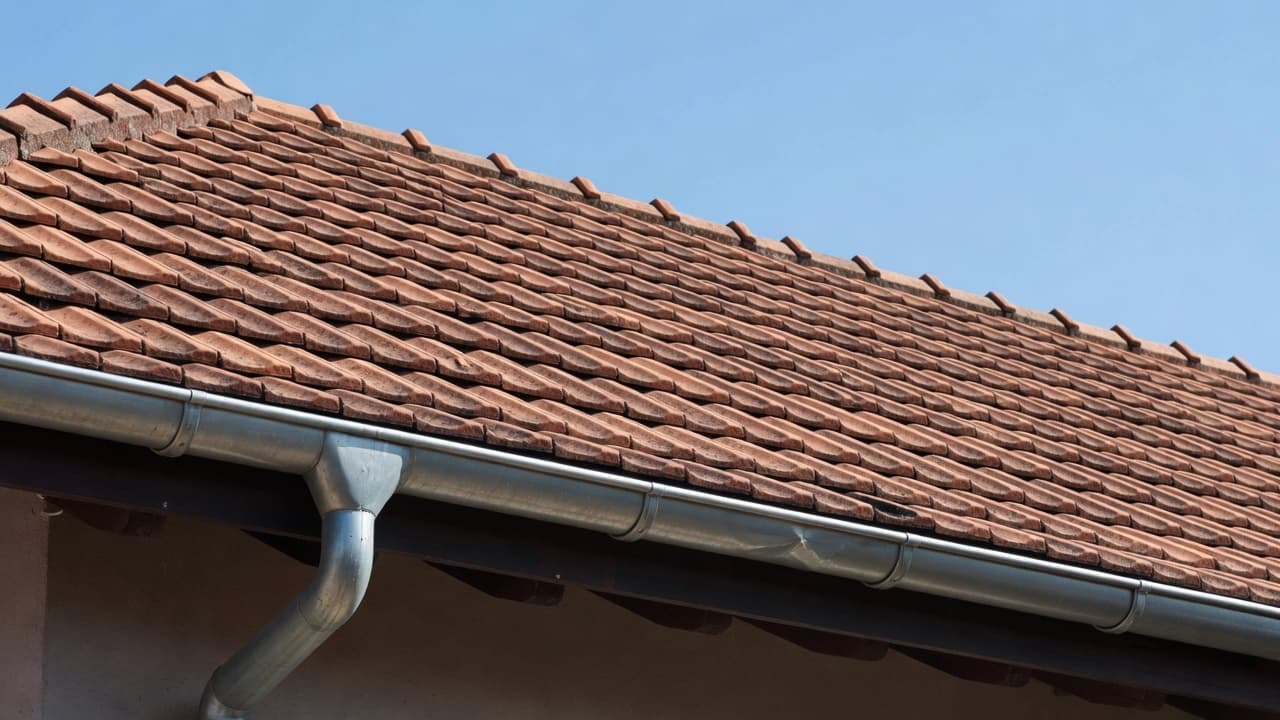
Water management should sit near the top of every HOA maintenance list. Roof inspections, gutter cleaning, downspout flow, grading checks, and storm-drain clearing all help move rain away from buildings instead of into them.
Watch for ponding water, stained soffits, soft spots in ceilings, eroded soil, and standing water near foundations. Those signs often point to a larger drainage problem. When water has no clear path out, repair costs rise fast.
Exterior surfaces, paint, stucco, and concrete repairs
Paint and stucco do more than improve curb appeal. They help protect the building envelope. Routine washing removes mildew and grime, while repainting and sealing help block moisture intrusion.
Concrete also needs regular attention. Small cracks in sidewalks, pool decks, and curbs can widen after repeated rain and heat cycles. Fast repairs reduce slip risks and keep damage from spreading into larger sections.
Landscaping, irrigation, pools, and common-area safety
Landscaping affects more than appearance. Overgrown trees can scrape roofs, block lights, or drop limbs during storms. Irrigation leaks can oversaturate soil, stain pavement, and waste water around entryways and foundations.
Pools and shared spaces need the same steady attention. Boards should check pumps, gates, deck surfaces, lighting, railings, and walking paths on a set schedule. Before hurricane season, communities also benefit from a solid plan, especially for trimming trees and securing outdoor items.
How to build a maintenance schedule that fits your community and budget
A plan works only if the board can follow it. That means matching tasks to Florida’s seasons, then ranking work by risk, cost, and the age of the property.
Use seasonal checklists for spring, summer, fall, and hurricane prep
Monthly tasks usually cover lighting, pool areas, irrigation, and visible safety issues. Seasonal work should focus on what Florida weather does next, roof and drain checks before heavy rain, HVAC and exterior reviews during peak heat, and tree trimming before storm season.
Annual projects can include repainting, pavement sealing, reserve planning updates, and deeper vendor inspections. Older communities may need shorter cycles for roofs, stucco, and drainage because failures tend to stack up once materials start aging.
Track inspections, work orders, and reserve planning in one place
Records matter because memory fades and board members change. Inspection notes, photos, vendor proposals, invoices, and repair dates create a clear history of what happened, what was fixed, and what still needs funding.
That paper trail helps with budgeting and keeps repeat problems from getting lost. It also supports reserve planning because recurring repairs often point to a larger capital project on the horizon. Communities can also review insurance and storm documentation tips before hurricane season.
Common HOA maintenance mistakes Florida boards should avoid
Most expensive failures start small.
Waiting until damage is obvious before acting
By the time water stains show indoors, the leak may have traveled for weeks. The same pattern shows up with slow drains, loose sealants, and surface cracks. Delays usually mean more labor, more material, and more disruption for residents.
Skipping vendor checks, inspections, or written scopes of work
A vague proposal can create repeat problems. Boards need clear scopes of work, proof of licensing where required, site inspections, and follow-up after the job is complete. Comparing bids matters, but comparing what each bid actually includes matters more.
Ignoring owner communication and complaint patterns
Residents often spot issues first. Repeated complaints about slippery walkways, low lighting, or musty odors can point to maintenance gaps the board hasn’t seen yet. Fast responses and clear updates build trust and help catch trouble earlier.
Don’t put it off
Florida communities don’t get much downtime from the weather. Heat, rain, wind, and moisture keep pressing on every shared system, so waiting usually costs more.
The strongest boards treat preventative maintenance as a long-term budget tool, not a one-time project. Early repairs, steady inspections, and solid records protect the property, improve safety, and leave fewer surprises when storm season arrives.