
An insurance renewal that once felt routine can now blow a hole in a Florida HOA budget. For board members, property managers, and homeowners, the increase often lands all at once, with little room to absorb it.
Florida associations face a tough mix of storm risk, tighter underwriting, litigation pressure, older buildings, and changing state rules around building condition and reserves. The good news is that higher premiums don’t have to lead to panic. They call for clearer decisions, better maintenance, and a closer look at what the policy actually covers.
What is driving the rise in Florida homeowner association insurance costs?
Florida insurance pricing has become a stress test for community associations. Carriers aren’t only looking at a property’s address. They also study roof age, prior claims, repair history, building systems, and how expensive it would be to rebuild after a major loss.
Why hurricanes and severe weather keep reshaping premiums
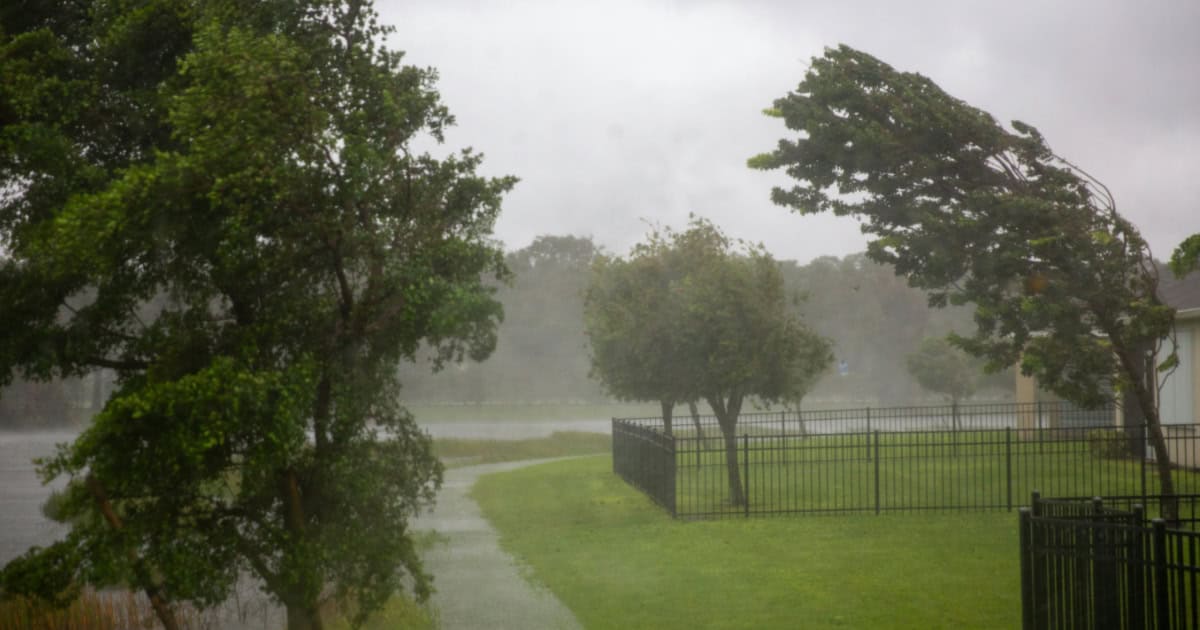
Florida sits in the path of repeated catastrophe risk, so insurers price for the next storm, not the last quiet year. Coastal exposure matters most, but inland communities aren’t insulated from wind, hail, or flooding.
That pressure shows up in several ways. Premiums rise, windstorm deductibles grow, and coverage terms narrow. Many associations also see percentage-based hurricane deductibles instead of flat amounts. A 3 percent deductible on a building insured for $10 million means the community covers the first $300,000 before insurance pays.
Repeated losses across the state also shrink the number of carriers willing to write association business. When fewer insurers compete for the same risks, boards lose bargaining power. A useful overview from SouthState’s analysis of rising Florida insurance costs ties those increases to storm losses, litigation pressure, and reinsurance costs.
How reinsurance, inflation, and repair labor shortages add to the bill
Behind every HOA policy sits another layer of insurance called reinsurance. Insurers buy it to protect themselves after large losses. When reinsurance gets more expensive, those higher costs move down to associations.
At the same time, rebuilding costs have climbed. Roofing, concrete work, electrical gear, windows, HVAC parts, and plumbing materials all cost more than they did a few years ago. Labor is also tighter after major storms, when contractors are booked for months and prices rise fast.
Insurers price policies based on what a claim would cost today, not what it cost in 2019. That’s why a building with no recent claim can still face a sharp increase. The market isn’t only reacting to one property. It’s reacting to statewide loss trends and current replacement costs.
Why older condos and past claims can make coverage harder to buy
Older buildings often bring more underwriting scrutiny, especially if the roof is near the end of its useful life or major systems haven’t been updated. Water intrusion, aging pipes, outdated electrical panels, and deferred maintenance all make underwriters nervous because small problems can turn into large claims.
Claims history matters too. A property with repeated water losses, roof claims, or slip-and-fall cases can look riskier than a similar building next door. Some Florida associations have seen premiums jump sharply or coverage options shrink, a pattern discussed in Dickler Law’s review of condo association insurance spikes.
Post-Surfside building scrutiny has also changed the conversation. Carriers now ask harder questions about inspections, repairs, and long-delayed projects. If an association can’t show a clear maintenance record, the policy may cost more, come with restrictions, or fail to renew.
How rising premiums affect HOA budgets, reserves, and monthly dues
Insurance isn’t an isolated line item. When it rises fast, it pulls money away from the rest of the community’s needs and forces uncomfortable tradeoffs.
What happens when insurance takes a bigger share of the annual budget
When the premium jumps, the same budget has to stretch further. That often means less money for landscaping, painting, pool equipment, pavement repairs, security upgrades, or preventive maintenance. The cuts may seem small at first, but they can stack up and leave the property looking neglected.
There’s also a planning problem. If insurance consumes cash that was meant for upkeep, the association may postpone work that would have reduced future claims. In other words, a higher premium can create the conditions for an even harder renewal next year.
Boards and residents feel that strain quickly. Monthly dues rise, service expectations stay the same, and patience gets shorter.
When special assessments become the only short-term fix
Some communities don’t have enough room in the operating budget to absorb a sudden increase. In that case, a special assessment may become the only fast way to pay the bill and keep required coverage in place.
That approach can solve the immediate problem, but it creates stress for owners. A one-time charge of several hundred or several thousand dollars can hit retirees, fixed-income households, and owners already facing mortgage and tax increases. Tension often follows, especially when homeowners feel blindsided.
Short-term fixes also carry a longer shadow. If a board uses special assessments every time insurance rises, owners may lose confidence in the association’s planning.
Why reserve planning matters more than ever
Healthy reserves don’t lower a premium by themselves, but they help associations keep the property in better shape. That matters because underwriters want proof that the building is maintained, repaired on time, and financially able to handle issues before they grow.
Reserve studies and long-range capital planning also make dues increases more predictable. Owners may not like higher contributions, but most prefer steady planning over a sudden assessment. The same logic appears in Hilb Group’s advice for controlling association insurance costs, which stresses risk reduction and early preparation in a hard market.
A board that funds reserves, documents repairs, and updates major systems sends a stronger message to carriers than a board that patches problems year by year.
Smart ways associations can control HOA insurance costs in Florida
Boards can’t control hurricane season or the reinsurance market. They can control how the property looks to underwriters and how carefully they shop for coverage.
What maintenance and upgrades can lower risk for carriers
Insurers pay close attention to roofs, plumbing, drainage, electrical systems, and fire protection. If any of those areas show age, leaks, or code issues, the building can move into a more expensive risk category.
Start with the basics. Repair roof damage early, clean drains and gutters, inspect balconies and exterior walls, replace failing shutoff valves, and address recurring water intrusion fast. For older communities, updated electrical panels and fire alarms can help remove obvious red flags.
Storm-hardening projects may also help over time. Impact-rated windows, shutters, stronger roof attachments, and better site drainage can reduce loss severity. Carriers may not reward every upgrade with an immediate discount, but visible upkeep improves the underwriting story.
How to compare quotes without giving up important coverage
The cheapest renewal can become the most expensive policy after a claim. That’s why boards should compare more than the premium. They need to review deductibles, exclusions, sublimits, valuation terms, and whether the policy still matches the property’s actual replacement cost.
A broker with deep Florida association experience can help sort through those details. One quote may look lower because it limits water damage, reduces roof coverage, or adds a large wind deductible. Another may exclude ordinance or law coverage, which matters when older buildings must rebuild to current code after a loss.
Review the full policy, not the renewal summary. The biggest surprise often hides in a deductible, exclusion, or endorsement.
Boards should start the market early, ideally well before renewal. That gives time to answer underwriting questions, gather inspection records, and fix issues that could hurt pricing.
Why claims handling and loss records matter for future pricing
Every claim leaves a record, and repeated small claims can make a property look harder to insure. That doesn’t mean boards should avoid filing valid claims. It means they should handle losses carefully and document every repair from start to finish.
Good records matter. Keep photos, contractor invoices, inspection reports, and proof that damaged areas were fully repaired. If a pipe leak leads to mold prevention work or wall replacement, save that file. Underwriters often ask for it later.
Boards should also review losses with their broker after each policy year. If several claims came from the same issue, such as an aging plumbing line or poor drainage, fix the root cause before renewal. A cleaner loss history won’t change the market overnight, but it can improve options over time.
What Florida HOA boards should ask before renewing a policy
Renewal should be a working session, not a quick vote on the premium. The policy needs to reflect current rebuilding costs, realistic deductibles, and the community’s actual risk profile.
Are we insured for today’s replacement cost, not last year’s estimate?
Construction pricing changes fast in Florida, especially after storms. If the insured value lags behind current rebuilding costs, the association could face underinsurance and larger out-of-pocket exposure after a major loss.
Boards should ask how the replacement value was calculated and when it was last updated. They should also confirm whether the policy includes replacement cost terms that match the building’s current condition and code requirements.
Which exclusions, deductibles, or endorsements could create surprises later?
Wind deductibles get the most attention, but they aren’t the only issue. Water damage limits, roof payment terms, vacancy clauses, and equipment breakdown endorsements can all change how a claim gets paid.
Flood is another major blind spot. A master property policy may not include flood at all, so boards need to ask whether separate flood coverage is in place through the National Flood Insurance Program or a private market option.
Do we need stronger support from our broker, attorney, or reserve specialist?
Large associations, older buildings, and stressed renewals often need outside help. A broker can test the market, an attorney can review policy language and contract obligations, and a reserve specialist can show how future capital needs affect funding.
That support costs money, but weak advice usually costs more. When a renewal becomes confusing or coverage terms change sharply, extra review is money well spent.
Success requires planning
Florida HOA insurance costs are rising for reasons that go well beyond one bad storm or one difficult renewal. Weather risk, repair costs, older buildings, and tighter underwriting all push the market in the same direction.
Boards can’t control those forces, but they can control how prepared the association is. Better planning, stronger maintenance, careful claims records, and a full policy review give communities a steadier path through a tough market.
The associations that handle this best don’t wait for the renewal packet to arrive. They treat insurance as part of year-round property management, and that has become a basic part of good HOA leadership in Florida.